Not every academic interest fits neatly into STEM or business. Whether you're interested in psychology, visual arts, education, environmental science, or the humanities, there are plenty of extracurricular opportunities that allow you to explore your interests beyond the classroom.
But finding activities that genuinely align with your intended major can be challenging. Should you join a club? Start an independent project? Volunteer with a community organization? And how can you turn these experiences into meaningful opportunities for growth?
In Part 1, we explored extracurricular ideas for students interested in business, law, STEM, healthcare, and media. This time, we're looking at five more academic areas, with opportunities to help you develop relevant skills, explore potential career paths, and take initiative.
1. Psychology and Social Sciences
If you're interested in psychology, sociology, anthropology, or human behaviour, look for opportunities that help you understand individuals, communities, and the factors that influence how people think and interact.
Extracurriculars to consider:
- Psychology clubs: Explore topics such as cognitive psychology, social behaviour, neuroscience, and mental health through discussions, presentations, and student-led activities. You could also organize workshops or invite researchers to speak about their work.
- Independent research projects: Investigate questions related to human behaviour, social trends, or psychological theories. For example, you could analyze publicly available survey data to explore how social media usage varies across age groups.
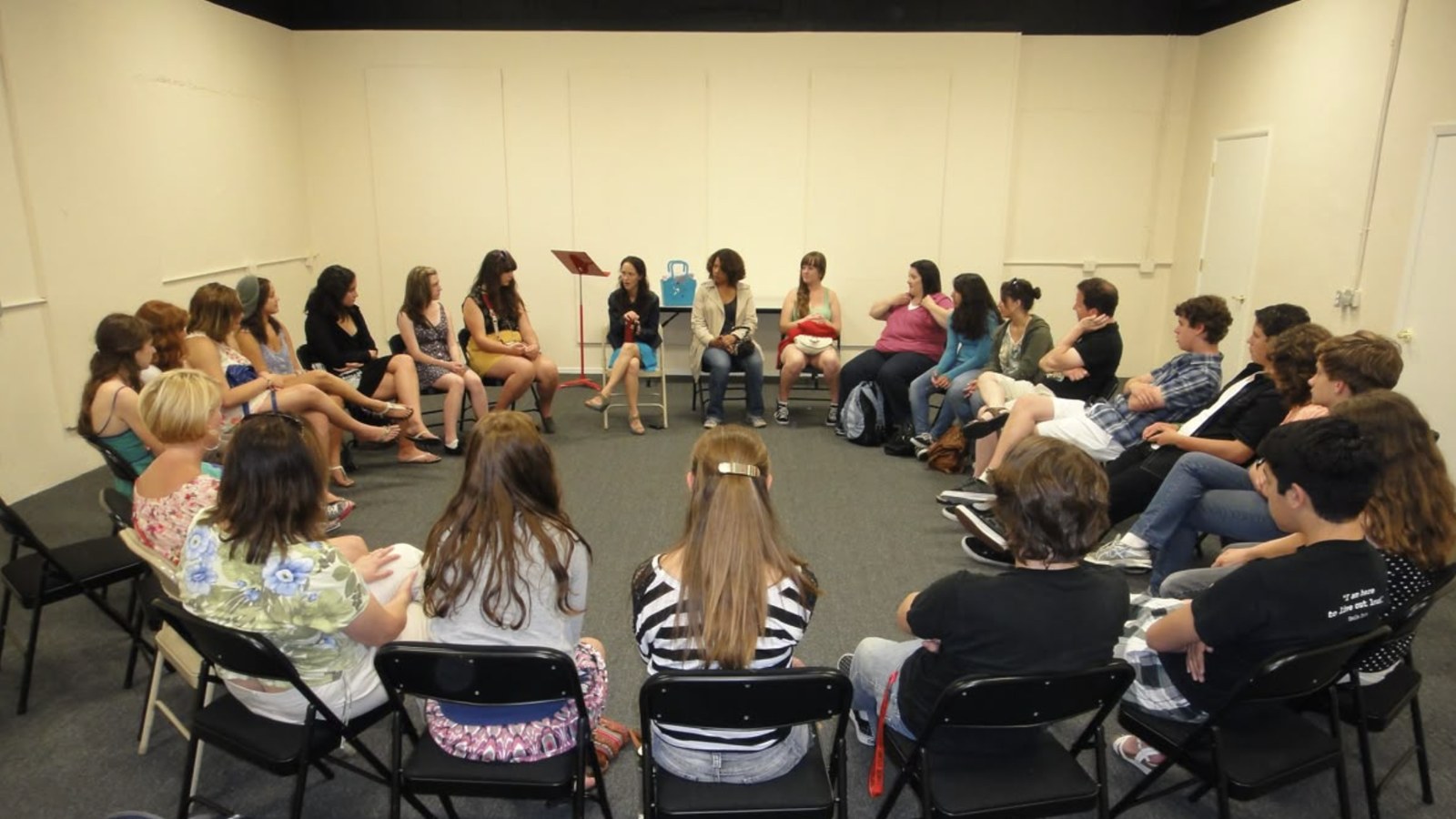
- Peer support programs: Participate in supervised school-based programs that help students navigate academic or social challenges. These opportunities can strengthen communication, active listening, and interpersonal skills.
- Community volunteering: Work with organizations that support youth, families, or underserved communities. This can provide insight into the social factors that influence people's experiences and access to resources.
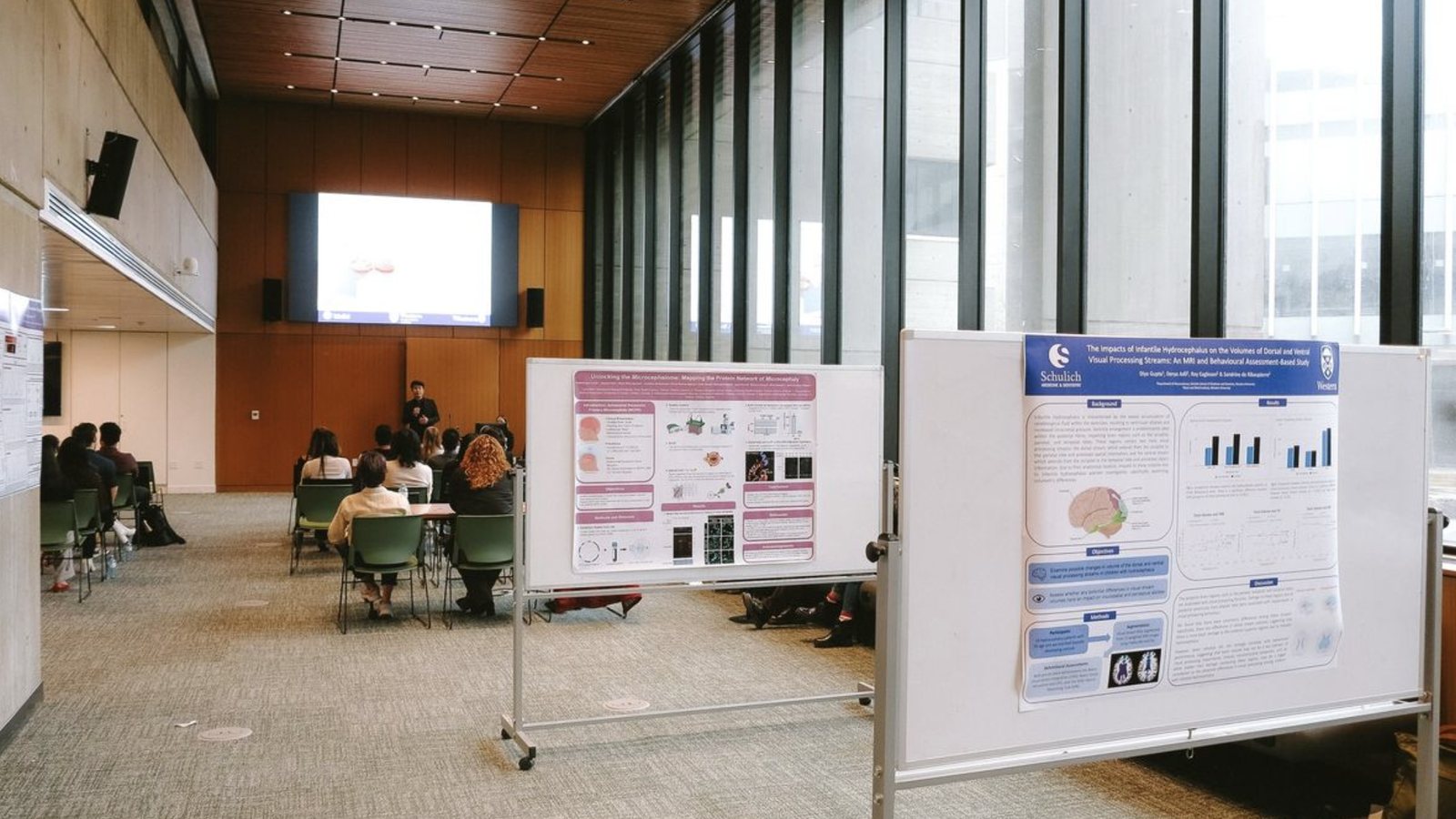
- Sociology or psychology competitions: Participate in academic challenges, essay competitions, or research showcases that encourage you to investigate questions about society and human behaviour.
2. Art and Design
For students interested in graphic design, fine arts, illustration, animation, fashion, or other creative fields, extracurriculars can help you experiment with different mediums and develop a portfolio that showcases your work.
Extracurriculars to consider:
- Art competitions and exhibitions: Submit original artwork to local, regional, or national competitions. Participating in exhibitions also gives you opportunities to receive feedback and share your work with wider audiences.
- Theatre and drama: Participate in school productions, acting workshops, or backstage production teams. Theatre can develop creativity, collaboration, confidence, and an understanding of visual storytelling.
- Personal design projects: Create graphics, digital illustrations, product concepts, or visual content around a theme that interests you. You could also redesign an existing product or develop a visual identity for a fictional brand.
- Photography and film clubs: Experiment with composition, lighting, editing, and storytelling through visual media.
- Design teams: Join school publications, event committees, or nonprofit communications teams to create posters, branding, promotional materials, and digital content.
3. Education and Child Development
Interested in teaching, early childhood education, educational psychology, or child development? Look for opportunities to work with younger students, support learning, and explore how people develop new skills.
Extracurriculars to consider:
- Tutoring: Help younger students with subjects you're comfortable teaching. Tutoring develops communication, patience, and the ability to explain complex concepts in different ways.
- Summer camps: Volunteer or work as a camp counsellor, activity leader, or program assistant. These roles provide experience organizing activities, supporting younger participants, and working as part of a team.
- Reading programs: Participate in community literacy initiatives, library programs, or reading mentorship opportunities. These experiences can help you develop instructional and interpersonal skills.
- Peer mentorship: Support younger students as they transition into high school, navigate academic challenges, or explore extracurricular opportunities.
- Educational resource development: Create study guides, interactive lessons, educational videos, or worksheets that make difficult topics easier to understand.
4. Environmental Science and Sustainability
If you're interested in environmental science, ecology, conservation, or sustainability, consider extracurriculars that allow you to investigate environmental challenges and contribute to solutions in your community.
Extracurriculars to consider:
- Environmental clubs: Participate in sustainability initiatives at school, such as waste reduction campaigns, recycling programs, or campus gardening projects. You could also take on a leadership role and coordinate new initiatives.
- Science fairs and research: Investigate environmental questions through independent research. Possible topics include water quality, biodiversity, renewable energy, soil health, and pollution.
- Community cleanups: Participate in local shoreline cleanups, park restoration projects, or neighbourhood litter collection events. These activities provide a direct way to contribute to environmental stewardship.
- Conservation organizations: Volunteer with organizations involved in habitat restoration, wildlife conservation, or environmental education.
- Sustainability competitions: Explore challenges focused on renewable energy, sustainable design, climate solutions, and environmental innovation.
5. Humanities and Languages
For students interested in literature, history, philosophy, linguistics, international studies, or cultural studies, extracurriculars can help develop communication, research, and analytical skills while encouraging you to explore different perspectives.
Extracurriculars to consider:
- Language clubs: Practice speaking, writing, and listening in another language through conversation groups, cultural activities, and language exchanges.
- Writing competitions: Participate in essay, poetry, short story, or journalism competitions. These opportunities encourage creative expression, critical analysis, and written communication.
- Cultural organizations: Join student associations or community groups that celebrate different cultural traditions through events, educational initiatives, and community engagement.
- History and literature clubs: Explore historical events, literary works, and philosophical questions through discussions, presentations, and independent research.
- Debate and public speaking: Develop the ability to construct arguments, analyze complex ideas, and communicate different perspectives effectively.
How to Choose the Right Extracurriculars
With so many possibilities, it can be tempting to join every club or program that relates to your intended major. However, the goal isn't to accumulate as many activities as possible. It's to find opportunities that allow you to explore your interests and develop meaningful skills.
Before committing to an extracurricular, consider a few questions:
- Does it genuinely interest you? Choose activities you would enjoy exploring even without an application or award attached to them.
- Will you learn something new? Look for opportunities that challenge you to develop skills, explore unfamiliar topics, or take on greater responsibility.
- Can you make a meaningful contribution? Think about whether you can create something, support others, or help improve an existing initiative.
- Does it fit your schedule? Choose commitments you can balance with your academic responsibilities and other interests.
You should also remember that your extracurriculars don't have to match your intended major perfectly. A student interested in psychology might enjoy theatre, while someone pursuing environmental science might develop an interest in public policy through community volunteering.
Some of the most interesting academic paths emerge from combining different interests.
Final Thoughts
Exploring your intended major doesn't have to begin with a university course or formal internship. Clubs, volunteer experiences, competitions, independent projects, and community initiatives can all provide opportunities to discover what interests you and develop relevant skills.
Whether you're designing your first portfolio, tutoring younger students, investigating an environmental issue, or exploring a new language, the most important thing is to approach these experiences with curiosity and initiative.
You don't need to follow a predetermined extracurricular checklist to demonstrate your interests. Instead, find opportunities that encourage you to explore, create, contribute, and grow.
Your intended major can give you a starting point, but what you choose to do with your interests is entirely up to you.