
Choosing extracurriculars can feel overwhelming, especially when you're trying to build a strong university application. With so many clubs, competitions, volunteer opportunities, and independent projects available, it can be difficult to know where to start.
If you already have an idea of what you want to study, your intended major can be a helpful starting point. Certain extracurriculars can introduce you to the skills, challenges, and real-world applications associated with a field.
However, there's no universal checklist for getting into a particular program. You don't need to participate in every activity listed below, and universities aren't simply looking for students who have joined the most major-related clubs. What matters is how you engage with your interests, take initiative, and make meaningful contributions.
Here are some extracurricular ideas to explore based on your academic interests.
1. Business and Finance
Interested in entrepreneurship, economics, accounting, or finance? Look for opportunities that let you explore how organizations operate, make decisions, and solve business problems.
Extracurriculars to consider:
- DECA or FBLA: Participate in business competitions involving marketing, finance, entrepreneurship, and management. These organizations also offer opportunities to develop leadership and presentation skills.
- Finance or executive teams: Join the finance team of a school club or nonprofit organization. Managing budgets, tracking expenses, and coordinating fundraising can provide practical experience with financial decision-making.
- Entrepreneurship competitions: Develop a business idea, create a business plan, and pitch your solution to judges. These competitions help you explore market research, product development, and financial planning.
- Start a small business or initiative: Experiment with selling a product, offering a service, or building a project around a problem you've identified. Running something independently can teach you about budgeting, marketing, and customer needs.
2. Law and Public Policy
If you're interested in law, political science, international relations, or public policy, seek out opportunities that expose you to different perspectives and encourage you to examine how decisions affect communities.
Extracurriculars to consider:
- Model United Nations (MUN): Represent countries in simulated international conferences, research global issues, and negotiate solutions. MUN develops public speaking, diplomacy, and research skills.
- Debate teams: Explore complex issues, construct evidence-based arguments, and respond to opposing perspectives. Debate strengthens critical thinking, communication, and reasoning.
- Community advocacy: Get involved with organizations working on issues you care about, such as education access, environmental policy, or youth representation.
- Political campaign volunteering: Support local campaigns through community outreach, event coordination, and communications. This can provide insight into how political campaigns engage with voters and local issues.
- Student government: Participate in school decision-making, represent student concerns, and help organize initiatives that create tangible changes in your school community.
3. STEM and Technology
For students interested in computer science, engineering, mathematics, or the natural sciences, extracurriculars can provide opportunities to apply classroom concepts to practical challenges.
Extracurriculars to consider:
- Independent coding projects and hackathons: Learn programming languages, build software, and collaborate with others to develop solutions. Personal projects can also become a portfolio demonstrating your technical abilities.
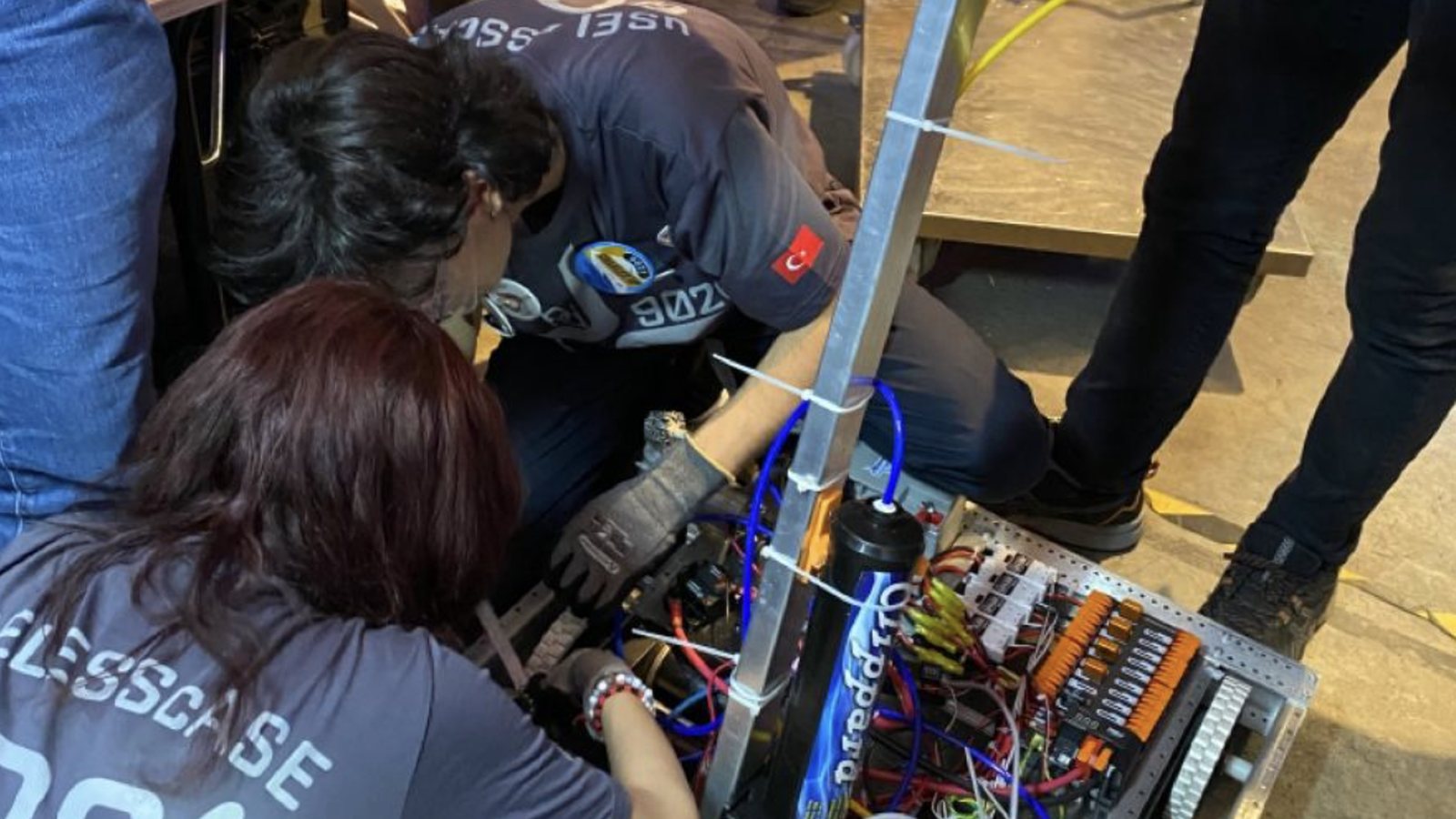
- Robotics clubs: Design, build, and program robots while exploring mechanical engineering, electronics, and computer science.
- Math competitions: Participate in contests that challenge you with unfamiliar problems and encourage creative mathematical reasoning.
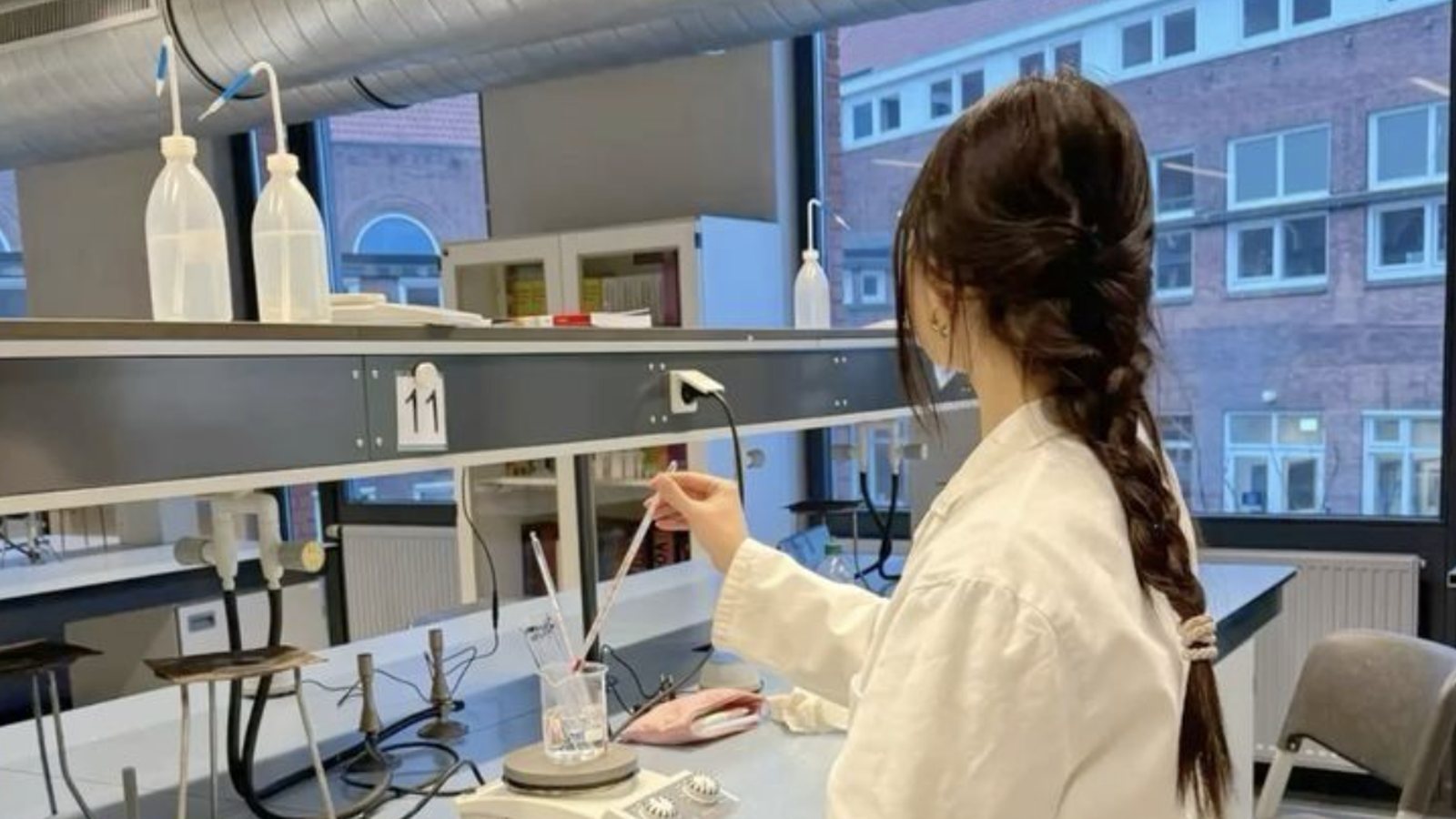
- Science fairs and research programs: Investigate a scientific question, design experiments, analyze results, and communicate your findings. These experiences are particularly valuable for students interested in scientific research.
- Engineering competitions: Work with a team to design and test solutions to engineering challenges, developing skills in prototyping, problem-solving, and collaboration.
- Open-source contributions: Explore existing software projects, contribute code or documentation, and learn how developers collaborate on real-world applications.
4. Healthcare and Medicine
Students interested in medicine, nursing, biomedical sciences, or public health can explore extracurriculars that develop their understanding of healthcare and its impact on individuals and communities.
Extracurriculars to consider:
- Hospital or healthcare volunteering: Where available, volunteer in appropriate non-clinical roles to learn about healthcare environments, patient support, and the responsibilities of healthcare professionals.
- HOSA: Participate in health science competitions, leadership activities, and educational events covering topics related to healthcare and medical careers.
- First aid training: Take an age-appropriate, certified first aid course to develop practical knowledge of emergency preparedness and community safety.
- Health awareness initiatives: Help organize campaigns or educational events about topics such as mental health awareness, nutrition, disease prevention, or public health.
- Science research: Explore topics such as genetics, neuroscience, microbiology, or biomedical engineering through independent projects, school research opportunities, or structured programs.
5. Media and Communications
For students interested in journalism, public relations, marketing, film, or communications, extracurriculars can help develop storytelling, visual communication, and audience engagement skills.
Extracurriculars to consider:
- Student newspaper: Write articles, conduct interviews, edit submissions, and investigate stories relevant to your school community.
- Start a blog or newsletter: Research topics you're interested in and communicate your findings through articles, commentary, or educational resources.
- Social media management: Create content, develop communication strategies, and manage digital communities for school clubs, nonprofits, or other organizations.
- School broadcasting or podcasting: Produce interviews, discussions, or short-form media while learning about scripting, audio editing, and storytelling.
- Photography and videography: Document events, create visual campaigns, and experiment with different approaches to communicating ideas.
- Public relations or marketing teams: Help organizations communicate with their audiences through campaigns, promotional materials, and event coverage.
What If You Don't Know Your Intended Major Yet?
You don't need to have your entire academic or career path figured out in high school. In fact, exploring different interests can help you discover fields you might not have considered otherwise.
If you're undecided, try:
- Exploring interdisciplinary activities: Look for opportunities that combine different interests, such as technology and business, science and public policy, or design and engineering.
- Trying short-term experiences: Attend workshops, participate in competitions, or volunteer with organizations working in unfamiliar fields.
- Starting an independent project: Identify a problem or question that interests you and explore it without worrying about whether it fits a particular major.
- Talking to people in different fields: Ask university students, professionals, or mentors about their experiences and what their work actually involves.
You may discover that your interests don't fit neatly into one academic category—and that's perfectly fine.
How to Choose the Right Extracurriculars
Ultimately, the best extracurriculars aren't necessarily the most prestigious or the ones most closely associated with your intended major. They're the ones that allow you to explore your interests, develop meaningful skills, and contribute in ways that matter to you.
Before committing to an opportunity, consider:
- Genuine interest: Would you still want to participate if it weren't included on a university application?
- Room for growth: Does the opportunity allow you to take on greater responsibility, develop new skills, or explore more challenging work?
- Meaningful contribution: Can you create something, help others, or make a measurable difference?
- Sustainability: Can you balance the commitment with your academics and other responsibilities?
You don't need ten different extracurriculars to demonstrate your interests. A few meaningful commitments, pursued with curiosity and initiative, can offer far more room for growth than a long list of activities.
The goal isn't to build an application around a major. It's to use your extracurricular experiences to discover what you're capable of doing with it.