Some careers bring together interests that might not seem connected at first. Theatre and computer programming, origami and aerospace engineering, or language and criminal investigation can all lead to specialized professions that combine creativity, technical knowledge, and problem-solving.
In Part 2 of our careers series, we're exploring five more professions that show how seemingly unrelated interests can come together in unexpected ways.
1. Theatre + Computer Programming = Lighting Control Programmer
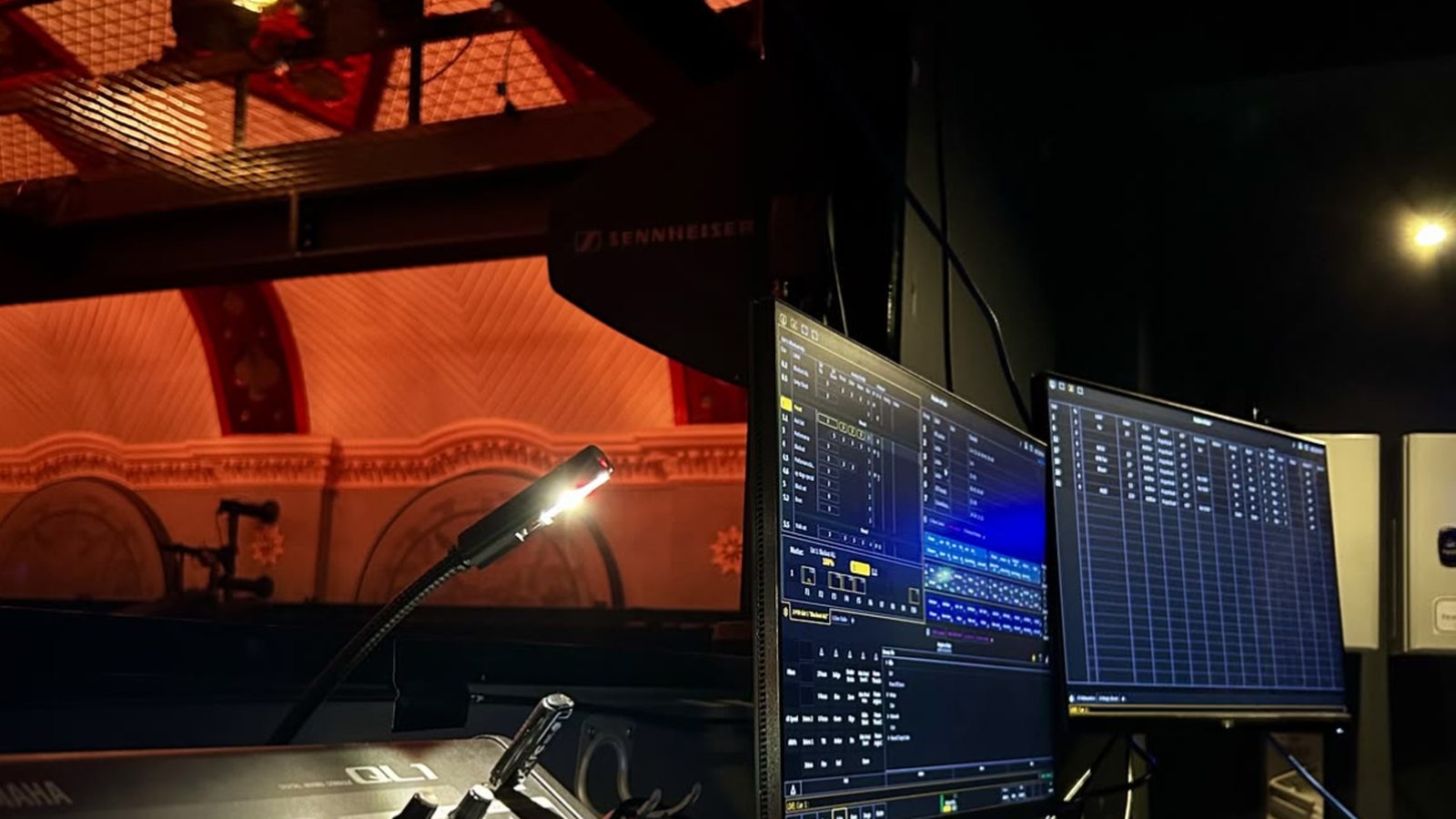
Theatre productions rely on more than actors, costumes, and set design. Behind the scenes, lighting control programmers help create the visual atmosphere of a performance by programming the complex lighting systems used on stage.
They configure automated lights and LED fixtures, programming their colours, positions, movements, timing, and effects. Rather than controlling each light individually, they use specialized software and lighting consoles to coordinate hundreds of fixtures through a series of cues.
The theatre side requires an understanding of stage directions, dramatic pacing, and the creative vision of a production. Programmers work closely with lighting designers and technical directors to make sure lighting changes happen at the right moment. The technical side involves managing lighting networks, configuring communication protocols such as DMX, and troubleshooting equipment and software.
Education: A diploma or bachelor's degree in technical theatre production, entertainment technology, or a related field can provide a foundation. Practical experience with lighting consoles, control software, and live productions is especially valuable. Specialized training in lighting systems and networking can also help.
Estimated annual salary in Canada: Earnings vary significantly depending on whether someone works in theatre, concerts, broadcasting, or live events. Freelance arrangements and production schedules can also affect income, so there isn't one reliable national salary figure for this exact job title.
2. Origami + Aerospace Engineering = Deployable Structures Engineer
How do you fit a large structure into a small space and then expand it when needed? Deployable structures engineers work on exactly this kind of problem.
They design systems that can be folded into compact shapes for transportation and then unfolded or expanded when they reach their destination. Applications include satellite antennas, solar arrays, space telescopes, and other equipment used in space missions.
Origami provides inspiration for some of these designs. Folding patterns such as the Miura-ori fold demonstrate how large surfaces can be compressed into smaller packages and deployed efficiently. Engineers adapt these principles using specialized materials and structural designs that can withstand demanding conditions.
The aerospace engineering side involves mechanics, geometry, material science, and computer modelling. Engineers use simulations and physical prototypes to evaluate how structures fold, unfold, and respond to forces.
Education: A bachelor's degree in mechanical engineering, aerospace engineering, or physics is a common starting point. Graduate study in areas such as advanced structures, materials, or compliant mechanisms can be useful for specialized research and development roles. Professional engineering registration may be required for certain engineering responsibilities in Canada, depending on the work and jurisdiction.
Estimated annual salary in Canada: Approximately $100,000, using aerospace engineers as a broad occupational reference. Specialized research roles and experience can lead to different earnings.
3. Music + Physics + Architecture = Architectural Acoustician
Why does music sound different in a concert hall than it does in a small classroom? Architectural acousticians study how sound behaves in buildings and help design spaces with the right acoustic environment.
Their work involves controlling how sound travels, reflects, and absorbs within a space. In a concert hall or opera house, they may focus on sound clarity and appropriate reverberation so audiences can hear performances as intended. In offices, classrooms, and hospitals, they may instead prioritize reducing unwanted noise and improving speech privacy.
Music provides an understanding of pitch, frequency, timbre, and how instruments produce sound. Physics explains how sound waves interact with surfaces and materials, while architecture determines the geometry, volume, and layout of a space.
Architectural acousticians use modelling software, measurements, and acoustic testing to evaluate designs and recommend materials or structural changes.
Education: Relevant undergraduate degrees include physics, mechanical engineering, architectural engineering, and other engineering disciplines. Graduate study in architectural acoustics, building science, or noise and vibration control can provide further specialization. Professional engineering registration may be necessary for certain engineering services.
Estimated annual salary in Canada: Approximately $95,000, using related engineering occupations as a reference. Salaries vary depending on specialization, consulting experience, and employer.
4. Virtual Reality + Medicine = Medical Simulation Developer
Medical professionals often need to practise complex procedures and clinical decision-making in realistic environments. Medical simulation developers create digital tools that make this kind of training possible.
They design and program interactive simulations that allow healthcare students and professionals to practise clinical scenarios in a controlled environment. Some systems use virtual reality headsets, motion-tracking equipment, and specialized controllers to create immersive experiences.
The technology side involves programming interactive environments, developing 3D models, and creating systems that respond to a user's decisions. For example, a virtual patient might respond differently depending on the actions taken during a simulated clinical scenario.
The medical side requires an understanding of anatomy, clinical environments, and healthcare workflows. Developers often collaborate with doctors, nurses, medical educators, and simulation specialists to make sure the scenarios accurately reflect real-world practice.
Education: A bachelor's degree in computer science, software engineering, biomedical engineering, or game development can provide a useful foundation. Experience with 3D game engines such as Unity or Unreal Engine, programming, and interactive design is valuable. Courses in anatomy, medical terminology, or healthcare simulation can also help developers understand the environments they are creating.
Estimated annual salary in Canada: Approximately $85,000, using software developers as a broad occupational reference. Actual salaries depend on the technical specialization and whether the role is based in healthcare, education, or software development.
5. Language + Criminal Investigation = Forensic Linguist
Words can reveal more than their literal meaning. Forensic linguists study language in legal and investigative contexts, helping analyze written, spoken, and digitally communicated evidence.
Their work may involve examining disputed documents, comparing writing styles, assessing authorship, or analyzing the wording of messages and statements. For example, they may investigate whether two anonymous texts share distinctive linguistic patterns or examine how a particular phrase could be interpreted in a legal dispute.
Linguistics provides the tools to study grammar, vocabulary, sentence structure, dialects, and individual language patterns. In investigations, these details can help researchers assess similarities and differences between samples.
Some forensic linguists also work with speech recordings, examining pronunciation, accent, and other linguistic features. However, determining whether two samples came from the same person is complex, and linguistic evidence must be interpreted carefully rather than treated as definitive identification.
Education: A bachelor's degree in linguistics, language studies, or a related discipline is a common starting point. Graduate study in forensic linguistics or applied linguistics can provide more specialized research experience. A PhD may be useful for academic positions and expert consulting, but it is not a universal requirement to work in the field or provide expert evidence.
Estimated annual salary in Canada: There is no widely reported national salary figure for forensic linguists specifically. Earnings depend on whether someone works in academia, government, consulting, or legal services.
More Careers Where Different Interests Meet
If these combinations caught your attention, here are a few more worth exploring:
- Music + Architecture → Architectural Acoustician: Designs spaces that control sound, from concert halls to offices.
- Wildlife + Technology → Wildlife Technologist: Uses tracking devices, cameras, and data systems to study animal populations.
- Geography + Coding → Remote Sensing Specialist: Uses satellite imagery and computer analysis to monitor changes in landscapes and ecosystems.
- Fashion + Engineering → Textile Engineer: Develops and tests materials used in clothing, protective equipment, and other products.
Your Interests Don't Have to Fit Into One Category
You don't necessarily need to choose between the subjects you enjoy. Careers in specialized fields often rely on knowledge from several disciplines, and combining those interests can open up paths you may not have considered.
If one of these professions stands out, look into the university programs, technical skills, and projects associated with it. You might discover that your interests in two seemingly unrelated subjects have more in common than you thought.